
5 ways to keep books accessible and make reading an easy choice for children
The easier it is for children to access books, the more naturally reading becomes part of their routine. By removing barriers and making books a visible part of daily life, you make it more likely children will pick up a book and turn "I'm bored" into "I'm reading".
1. Scatter books throughout the house
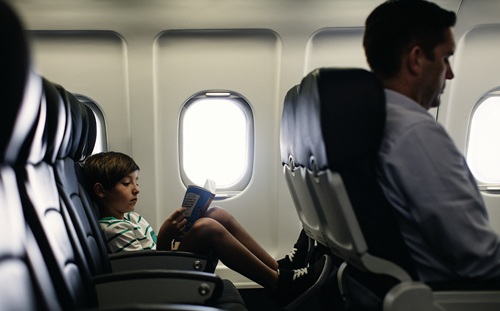
You don’t need to keep all the books tucked away on a high shelf in the bedroom. Try placing small baskets of books in the in-between places like the living room, the kitchen table, or even the car. Bring books when travelling - whether it's a holiday abroad or a visit to grandma. When books are physically within reach, they become a natural go-to for bored hands.
Parents suggest:
-
Leave books in a prominent position in the house so they can easily be picked up and put down
-
Not just on a shelf - in the car, near the couch, in bedrooms, even the kitchen. Easy access turns “I’m bored” into “I’ll grab a book.”
-
Incorporate into daily life read in the car while waiting to do collections from school or waiting for appointments instead of being on the phone
2. Match the book to the energy level
Just like adults, kids have different reading moods. After a long, tiring school day, a complex novel might feel like too much work. Having a mix of easy wins like graphic novels, joke books, short stories or highly visual non-fiction available. This allows children stay in the habit of reading without it feeling like another classroom chore.
Parents suggest:
-
Always ask children what is interesting today - maybe you need to change topics
-
Let them choose- do not say things like ‘that’s too babyish/ easy for you'. Doing so will discourage the child from reading anything. Remember reading for enjoyment will develop the child’s reading skills over time.
-
Get a family book as well as their own individual books so on nights when they are tired or it seems like a chore to them you can read and ask questions about the book and their opinions. Maybe give goals for example 10mins of reading equals 10mins of TV. I started this with my oldest and always found she read for longer and started not even caring about the 10minutes TV time.
3. Rotate your collection
If the same books have been sitting on the shelf for months, they can start to blend into the wallpaper. Try rotating your books every few weeks by bringing out a few hidden ones and putting others away. This newness can reignite a child's curiosity and make an old book feel like a brand-new discovery.
Parents suggest:
-
Keep good range of old favourites & new books coming and take time to read together
4. Use front-facing displays
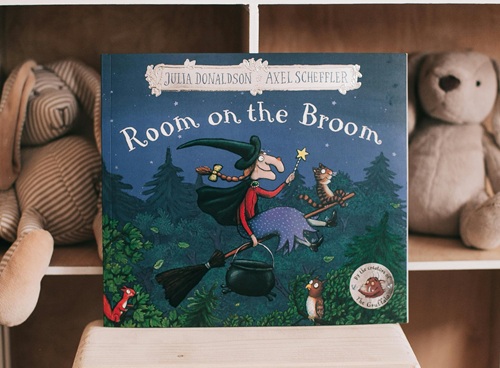
In bookstores, the most exciting books have their covers facing out, not just the spines. You can do the same at home! Propping a few books up on a mantle or a low shelf so the artwork is visible makes them much more likely to catch a child’s eyes.
5. Be a visible reader yourself
Accessibility isn't just about where the books are; it’s about how often they are seen in use. When your child sees you with a book in your hand during your own downtime, it normalizes the idea that books are a standard part of a relaxed home environment. Physical books are especially great – it makes it obvious that adults benefit from less screen time too.
Parents suggest:
-
Read yourself and they will see you model it. Tell them how much you enjoy it. Have time without screens and options. All reading is reading so don't judge them.
-
Families should establish a daily reading routine in a comfortable space involve children by letting them choose their books and read aloud with expression and make reading a family activity by being a reading role model yourself.
-
Weave reading into your daily routine like at bedtime or with a family "quiet reading time" where everyone reads their own thing. Most importantly be a reading role model by letting your kids see you enjoy a book and connect stories to real-life activities to show that reading is a joyful and useful part of life.