
The Benefits of Reading: 6 Ways Reading Supports Your Child
Every parent wants the best for their children - happiness, confidence, and a bright future. One of the simplest yet most powerful ways to support their growth is reading. From boosting cognitive development to building empathy, the benefits of reading go far beyond the classroom. Whether it’s a bedtime story, a comic book, or a chapter from their first novel, reading opens doors to learning, creativity, and emotional well-being. Here’s why building a reading habit is one of the best gifts you can give your child.
1. Reading builds strong foundations in language and communication
Let’s start with the obvious: reading helps children become better communicators. The more they read, the more they absorb new words, sentence structures, and ways to express themselves. This directly improves their spelling, grammar, and vocabulary. These skills are essential not just in school, but in everyday life. Research shows that children who read regularly develop stronger language skills, including better communication and comprehension.
For example, one study showed that teenagers who read for pleasure know 26% more words than those who don’t, regardless of their social background, while an analysis of 99 studies showed reading improved comprehension, spelling and spoken language skills.
Children who read frequently often speak more clearly, write more confidently, and find it easier to articulate their thoughts and ideas. It’s like giving them a toolkit for clear, effective communication that they’ll use for the rest of their lives.

2. Sharpens the mind and enhances learning
Beyond the basics, reading is a powerful brain booster. It strengthens language skills, improves concentration, and enhances memory. Studies have shown that children who read for pleasure also perform better in maths, vocabulary, and general knowledge tests. Reading doesn’t just help with literacy, it builds the kind of mental agility that makes learning easier across all subjects.
The best part? Reading needn't feel like a chore, but the start of a rewarding hobby. Whether your child loves fantasy, science, or humour, letting them explore books they enjoy turns learning into an adventure.
3. Reading builds empathy and emotional intelligence
Books are windows into other worlds and other people’s lives. When children read about characters from different backgrounds or facing challenges, they learn to see the world through someone else’s eyes. Reading, or reading to children, can improve social skills, emotional regulation and empathy, and help children navigate challenging life experiences.
For younger children, even simple stories about friendship, kindness, or overcoming fears can spark meaningful conversations. Ask them, “How do you think the character felt?” or “What would you do in their place?” These small moments build emotional intelligence that lasts a lifetime.
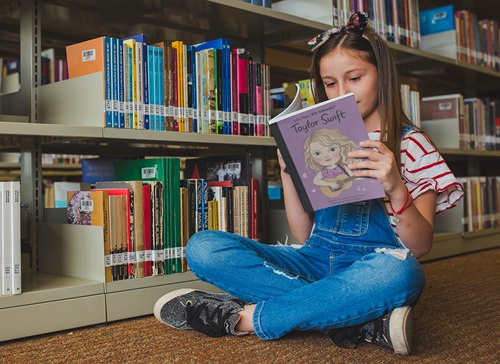
4. Reading sparks creativity and imagination
In a world full of screens, books are a rare space where children can create their own mental movies. Unlike passive entertainment, reading encourages kids to imagine settings, voices, and even alternate endings. Ever noticed how a child’s drawing or pretend play becomes richer after reading a great book? That’s their imagination at work!
Research suggests that children who read frequently are more likely to engage in creative problem-solving. Whether they’re dreaming up their own stories or building forts inspired by a favourite adventure, books fuel the kind of creativity that helps them think outside the box.
5. Reading provides bonding time
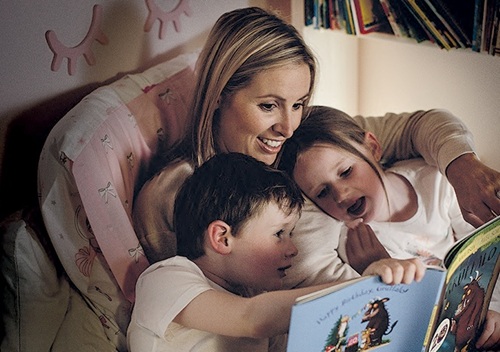
There’s something magical about sharing a story together. Reading aloud, even for just 10 minutes a day, creates a quiet, screen-free space for connection. Studies show that children who are read to regularly feel more secure, develop stronger communication skills, and even associate reading with warmth and comfort.
Making it fun is key. Use silly voices, act out scenes, or let your child turn the pages. As they grow, switch to reading the same book separately and chatting about it over dinner. These shared moments build memories, and a lifelong love for books and reading.
6. Reading prepares children for future success
Here’s a statistic that might surprise you: Children who read for pleasure are more likely to succeed in their careers. A long-term study found that reading for fun at age 10 was a stronger predictor of future professional success than even their family’s socioeconomic status.
Why? Because reading builds critical thinking, vocabulary, and the ability to absorb new information. These are skills that matter in every job. But beyond that, books teach perseverance (finishing a chapter book takes patience!), resilience (learning from characters’ mistakes), and the joy of discovery. In short, raising a reader is about giving your child tools for happiness and success, no matter what path they choose.
How to get started
You don’t need your own home library or a strict schedule. Just a few great books and a little enthusiasm are all you need to get started. Here are some easy tips:
-
Let them choose. Visit a bookshop together and pick something that excites them.
-
Set an example. Kids mimic what they see, so let them catch you reading too!
-
Make it a habit. Even 10 minutes before bed or during a cozy weekend morning helps.
-
Celebrate progress. Finished a book? High-five! Loved a character? Draw a picture together.
At the end of the day, the goal isn’t to raise a “perfect reader”, it’s to help your child discover the joy, wonder, and power of stories. And who knows? You might just rediscover the magic of reading right alongside them.
What was your favourite book as a child? Share it with your little one and start a new tradition today!
References
Centre for Longitudinal Studies: Reading Improves Teenagers' Vocabularly
PubMed Central: Developmental Dynamics Between Reading and Math in Elementary School
The Conversation: Reading to young kids improves their social skills
Michigan State University: Children and empathy: Reading to learn empathy
ResearchGate: Bibliotherapy: Helping Children Cope with Life’s Challenges