
Twelve Top Tips for Parents to Get Children Into Reading
Every child can become a reader with the right approach. From rewarding their efforts to celebrating their unique interests, these tips - based on our in-depth research carried out by Amárach - will help parents foster a love of books that lasts a lifetime.
1. Build reading into daily routines: Embed reading into everyday life. Lots of parents find bedtime to be a great time for reading to children or giving independent reading time. Even 10 minutes a day of reading helps form lasting habits.
6 ways to make reading a daily routine
2. Make reading fun and pressure-free: Treat reading as play. Use silly voices, act out stories, or ask open-ended questions and encourage discussion so it never feels like homework.
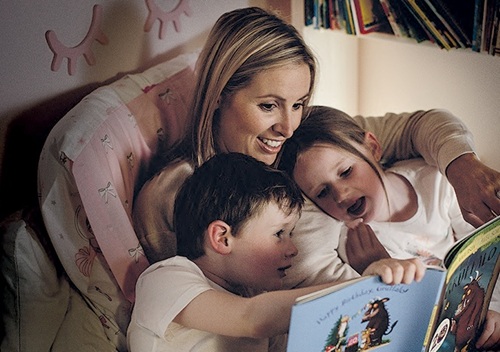
3. Let children choose their books: Empower kids to pick their own reading material at libraries or bookshops, even if you think their choices seem silly or simple. Choosing their own books helps children feel involved with their reading material, and the important thing is that they are reading, not what they're reading. Trust the process!
4. Offer a variety of formats and topics: Cater to different interests, abilities and energy levels with a selection of formats. Comics, graphic novels, non-fiction, interactive books, and tie-ins (e.g., LEGO, Minecraft, movies) all have a place in your child's reading journey.
5. Be a reading role model: Children mimic what they see. If parents read regularly, kids are more likely to do the same.
6. Create a screen-free reading space: Reduce screen time and set up inviting, quiet areas for reading. Make evenings or pre-bedtime screen-free. Don't forget to include parents in screen-free reading time too!
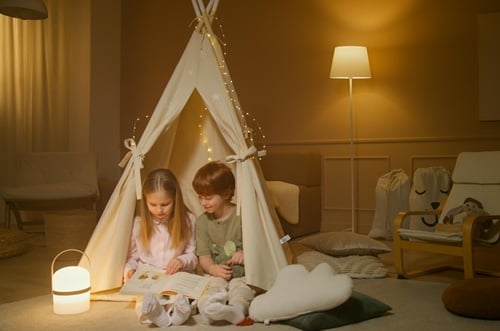
7. Keep books visible and accessible: Place books in every room to encourage spontaneous reading. Don't just keep books on the shelf - place a book basket beside the sofa or in the car so children can easily pick up a book any time.
5 ways to keep books accessible and make reading the easy choice
8. Use gentle rewards and praise: Stickers, small treats, or praise for finishing a book can motivate without making reading transactional.
6 ways to use rewards to encourage reading
9. Be patient and supportive: Respect each child’s pace. Avoid pressure, tolerate dips in interest, and celebrate small wins.
10. Connect books to real-life interests: Choose books that reflect your child’s hobbies and life experiences or their favourite shows and movies.
8 Tips for finding books they'll love
11. Involve ‘influencers’ in their reading journey: Recognise the role of teachers, friends, siblings, and librarians. Encourage shared decision-making in book selection.
5 ways to use role models and 'influencers' to inspire children's reading
12. Celebrate diversity and acknowledge challenges:
Not every child is a confident reader and individual children can face their own challenges. Offer tailored support for different ages and reading levels.